Get Tar Roof Installation
Local contractors can install, repair, or replace tar roofs to protect your property from leaks, damage, and weather-related issues.
If you are considering a new installation or replacement of a tar roof, you are in the right place to explore your options. Property owners in the area often evaluate roofing projects to enhance durability, improve energy efficiency, or address weather-related wear and tear. Understanding the benefits of professional tar roof services can help ensure the project meets long-term needs and adds value to the property.
Finding reliable local contractors who specialize in tar roof installation can make the planning process smoother. Comparing different service providers allows property owners to assess experience, expertise, and reputation before making a decision. Continuing to explore your options can lead to a well-informed choice that aligns with your property's requirements and your project goals.
- Commercial buildings - when business owners need durable roofing solutions for large-scale commercial properties.
- Residential homes - for homeowners requiring reliable tar roof installation to protect their residence.
- Industrial facilities - during the construction or renovation of industrial sites needing heavy-duty roofing.
- Apartment complexes - when property managers seek efficient roofing services for multi-unit residential buildings.
- Renovation projects - for contractors and property owners upgrading or replacing aging roof systems on existing structures.
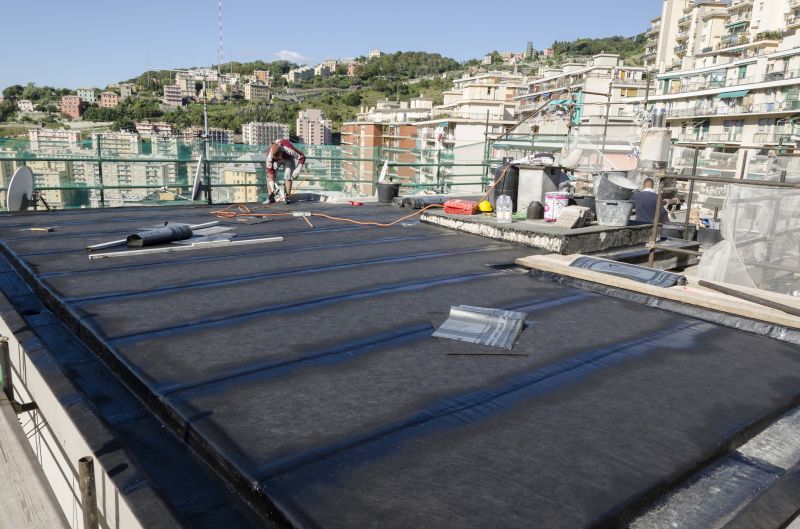
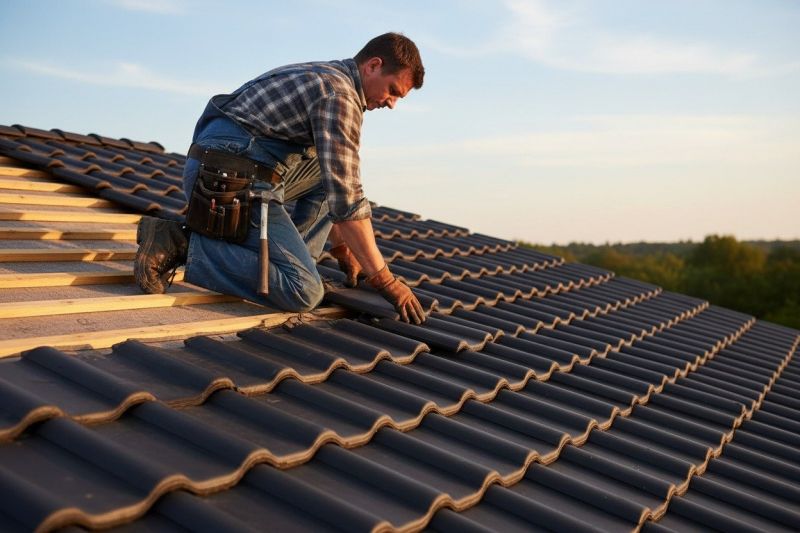
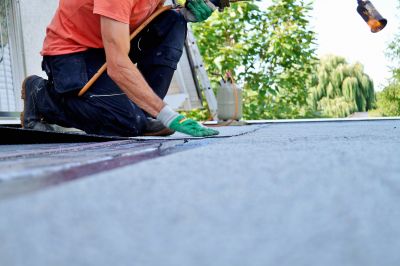
Tar roof installation involves applying a durable, protective layer of asphalt-based material to the roof surface. This process typically includes preparing the existing roof structure, installing a series of overlapping tar sheets or rolls, and ensuring proper sealing to create a water-resistant barrier. Skilled contractors may also add gravel or other surfacing materials to improve longevity and resistance to weathering. Proper installation is essential to prevent leaks, reduce maintenance needs, and extend the lifespan of the roof.
This service is especially valuable for addressing common roofing problems such as leaks, cracks, and deterioration caused by age or exposure to the elements. Over time, tar roofs can develop cracks or become brittle, leading to water infiltration and potential damage to the underlying structure. Installing a new tar roof or re-coating an existing one helps to resolve these issues by providing a fresh, protective surface that keeps moisture out and maintains the integrity of the building.
Tar roof installation is often chosen for commercial properties, industrial facilities, and some residential buildings with flat or low-slope roofs. These types of roofs are particularly suited for tar-based materials because they provide a seamless, waterproof barrier suited to flat surfaces where water drainage can be a challenge. Property owners seeking a reliable, weather-resistant roofing solution for large or complex roof layouts frequently turn to local contractors experienced in tar roofing.
Homeowners with flat or low-slope roofs on garages, additions, or multi-family residences may also need tar roof services. This type of installation can help solve problems related to ponding water, leaks, or aging roofing materials. When signs of deterioration appear-such as bubbling, cracking, or water stains-contacting local service providers can ensure proper assessment and professional repair or replacement. These experts can help determine whether a new tar roof is necessary to protect the property’s structure and maintain its value.
The overview below groups typical Tar Roof Installation projects into broad ranges so you can see how smaller, mid-sized, and larger jobs often compare in your area.
In many markets, a large share of routine jobs stays in the lower and middle ranges, while only a smaller percentage of projects moves into the highest bands when the work is more complex or site conditions are harder than average.
Smaller Repairs - minor repairs or patchwork on a tar roof typically cost between $250 and $600. Many routine fixes fall within this range, depending on the extent of the damage and roof size. Fewer projects reach the higher end of this band.
Partial Roof Repairs - fixing specific sections or replacing small areas of a tar roof generally costs between $600 and $1,500. Larger or more complex patches can push costs higher, but most projects stay within this middle range.
Full Roof Replacement - replacing an entire tar roof usually ranges from $4,000 to $8,000 for average-sized homes. Larger or more intricate projects can exceed this range, though many fall into the mid-tier costs.
Complex or Commercial Projects - large, multi-story, or highly detailed tar roof installations can reach $10,000 or more. These projects are less common and typically involve extensive work, requiring specialized contractors.
Actual totals will depend on details like access to the work area, the scope of the project, and the materials selected, so use these as general starting points rather than exact figures.
Flat Roof Replacement - Local contractors experienced in flat roof replacement use similar planning, materials, and roofing techniques as tar roof installation projects.
Roof Repair Services - Repairing damaged or leaking roofs requires comparable skills in roofing materials, surface preparation, and safety protocols as tar roof work.
Commercial Roofing Projects - Commercial roofing involves large surface areas and specific planning that align with the skills used in tar roof installation for commercial buildings.
Built-Up Roofing (BUR) Systems - BUR systems share techniques and materials with tar roofing, making them a related project requiring similar expertise from local contractors.
Hot Tar Waterproofing - Hot tar waterproofing projects involve similar application methods, tools, and surface preparation as tar roof installation services.
Roof Coating Applications - Applying protective roof coatings requires understanding of surface sealing and material compatibility, akin to tar roof installation processes.
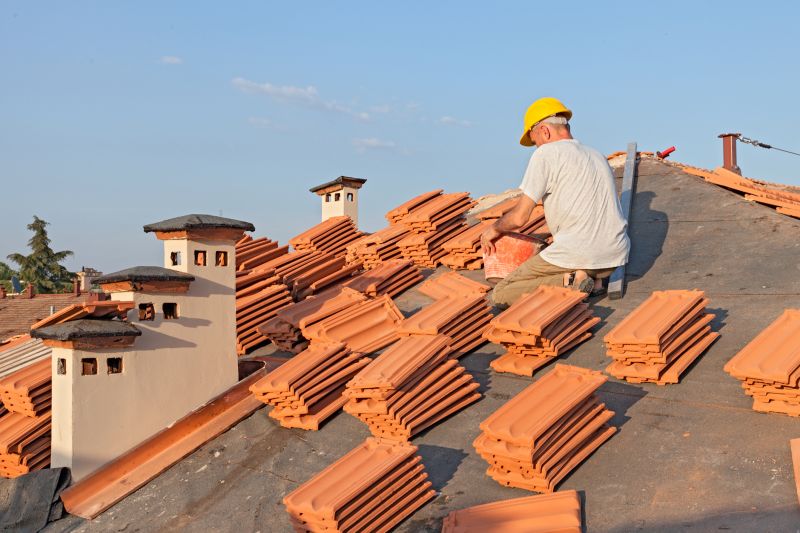
When comparing service providers for tar roof installation, it is important to evaluate their experience with similar projects. Homeowners should seek out local contractors who have a proven track record of handling tar roof installations comparable to the scope and complexity of their own project. This experience can often be gauged through project portfolios, previous work examples, or a clear description of past work. An experienced professional is more likely to understand the nuances of tar roof systems and navigate potential challenges effectively, leading to a smoother installation process.
Clear, written expectations are essential when choosing a contractor. Homeowners should look for service providers who can provide detailed estimates that outline the scope of work, materials to be used, and any warranties offered. Having these expectations documented helps prevent misunderstandings and ensures both parties are aligned on the project’s deliverables. Good communication from the outset also includes responsiveness to questions and transparency about the process, which can be indicative of a contractor’s professionalism and reliability.
Reputable references and a history of positive client feedback can offer valuable insights into a contractor’s quality of work and customer service. Homeowners are encouraged to ask potential service providers for references from previous clients with similar projects. Speaking with these references can reveal how well the contractor manages projects, adheres to agreements, and handles any issues that arise. Ultimately, selecting a local professional who demonstrates strong communication skills, provides clear expectations, and has a solid reputation can help ensure a successful tar roof installation.
Property owners use Tar Roof Installation services for practical projects around their homes and businesses. This guide focuses on everyday jobs and straightforward project options.
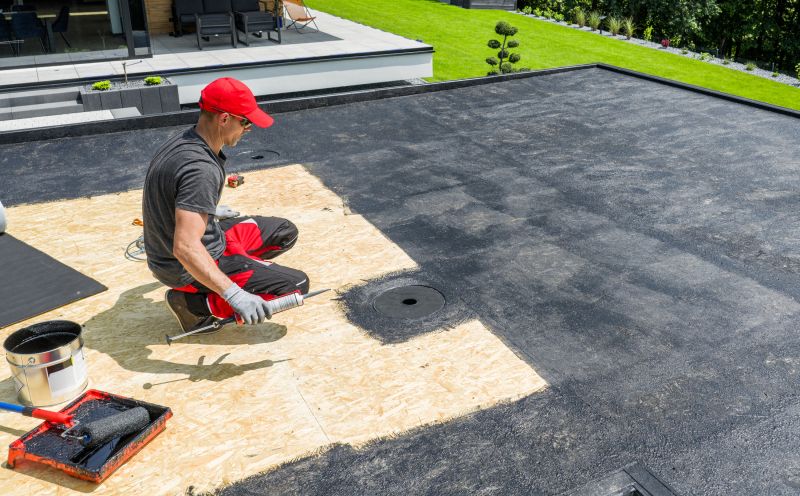
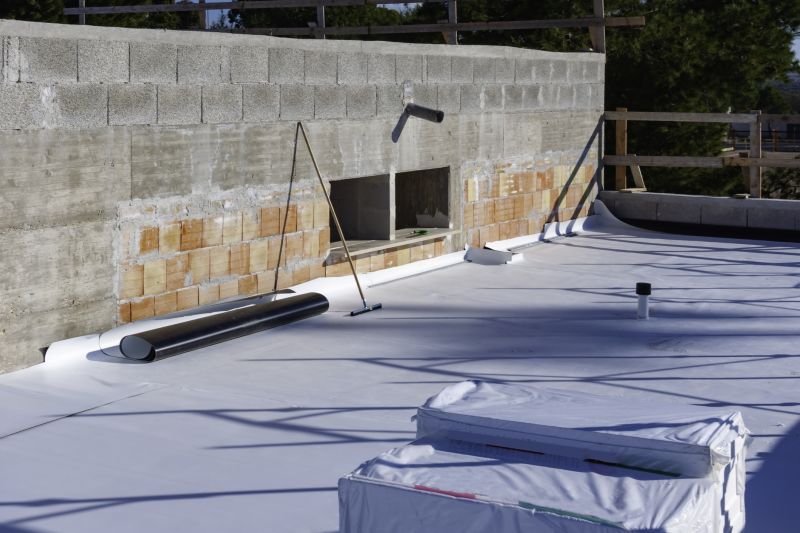
Tar roof installation is a common project for property owners dealing with aging or damaged roofing systems. Local contractors often get called upon when homeowners notice leaks, cracked shingles, or general wear and tear that compromise the roof’s integrity. Additionally, property owners planning to replace an outdated roof or improve the curb appeal of their homes may seek out experienced service providers to handle the installation efficiently and effectively.
In many cases, property owners turn to local pros for new installations during major renovations or after severe weather events that cause damage. Whether upgrading for better durability or ensuring the roof meets current standards, local contractors provide the expertise needed to complete tar roof projects. Connecting with these service providers can help property owners find the right solutions for their roofing needs.
What are the benefits of installing a tar roof? Installing a tar roof can provide a durable, waterproof barrier that protects a building from moisture and weather damage, making it a popular choice for flat or low-slope roofs.
How do local contractors prepare for a tar roof installation? Contractors typically assess the existing roof condition, remove any old roofing materials if needed, and ensure proper surface preparation to ensure a secure and long-lasting installation.
What materials are used in tar roof installation? Tar roof systems generally involve hot asphalt or coal tar pitch combined with roofing felts or membranes to create a waterproof and resilient surface.
Can a tar roof be installed on any type of building? Tar roofs are most suitable for flat or low-slope roofs commonly found on commercial buildings, but local service providers can evaluate if it’s appropriate for specific structures.
What maintenance is required after a tar roof installation? Regular inspections for cracks, blisters, or damage, along with prompt repairs by local contractors, can help maintain the roof’s integrity over time.
Preventing leaks during heavy rain - property owners can have local contractors inspect and install a new tar roof to protect their home from water intrusion.
Upgrading an aging roof - those with older roofs might consider a tar roof replacement to enhance durability and extend the roof's lifespan.
Preparing for seasonal weather changes - homeowners can work with local pros to ensure their roof is resilient against upcoming weather conditions.
Improving roof insulation and energy efficiency - property owners may seek services to add or improve tar roof insulation for better energy savings.
If you are thinking about Tar Roof Installation for a property, this guide is meant to help you understand the work, the typical project types, and how different options might fit your plans.
When you are ready, you can use the quote form on this page to share a few details about your project. From there, local pros can review the basics and respond with options that match what you have in mind.